








SUPER ETHICAL EYE HOSPITAL

What Are You Looking For ?

Need a
Second Opinion

Best Practice
for Cataract Surgery

Which lens should I prefer for cataract?

Do I have cataract?

Can I
avoid cataract surgery?

Best Cataract Treatment in Gurgaon

Book Discounted First Visit

Contact Form Cataract

Best Eye Specialist in Gurgaon

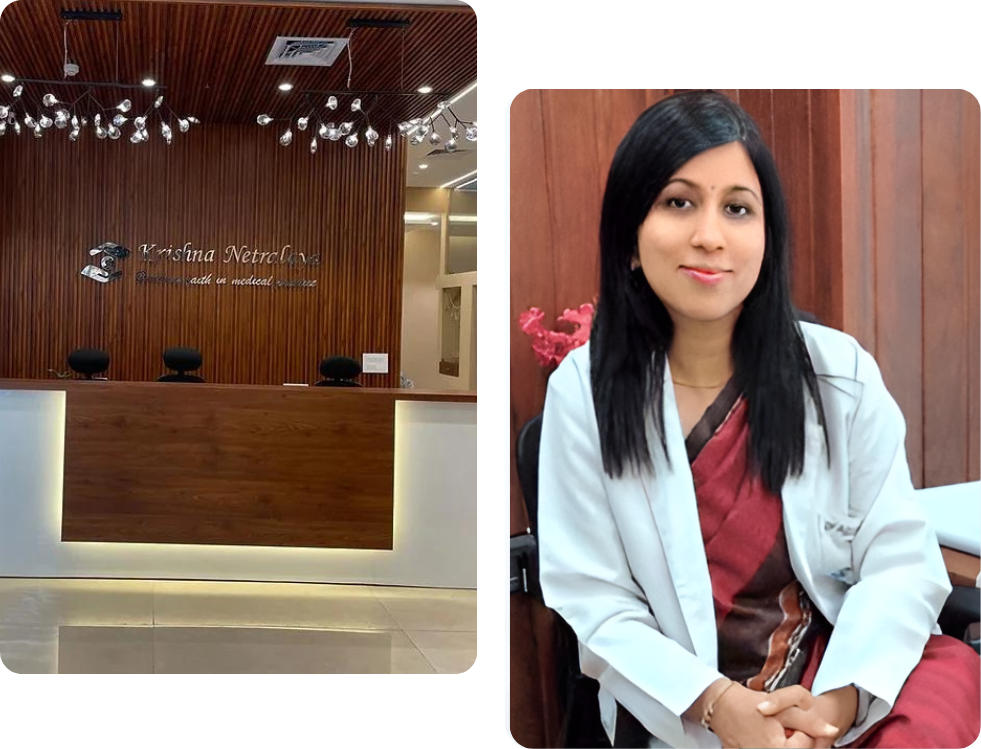
Dr Aditi Agarwal

Dr. Aditi Agarwal serves as the Medical Director and Senior Eye Surgeon at Krishna Netralaya in Gurgaon and is a Visiting Senior Consultant in Ophthalmology at Fortis Hospital, Gurgaon. With 20 years of experience at renowned institutions like Centre for Sight, Venu Eye Institute, and Artemis Hospital, she specializes in cataract surgery, cornea transplant surgery, refractive surgeries (LASIK, PRK, ICL), glaucoma, and medical retina. She holds an MBBS from KEM Mumbai, an MS (Gold Medalist), DNB, FICO (UK), and has completed fellowships in Cornea and Anterior Segment from L V Prasad Eye Institute, Advanced Cataract Surgery from Sankara Nethralaya, and Glaucoma from Aravind Eye Hospital.

Years of Experience
0 +

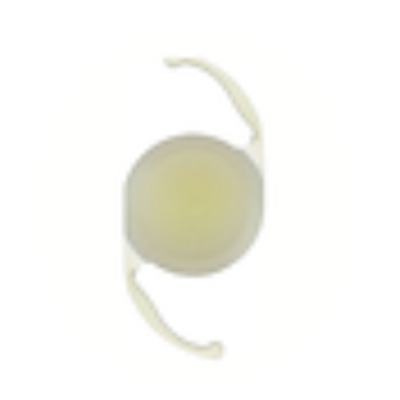
Which Cataract Lens is Best for You?

Monofocal Lens

Multifocal Lens

Toric IOL

Trifocal IOL

Extended Depth of Vision IOL

Testimonials

Drawbacks

Drawbacks of Postponing Cataract Care

Progression of the Cataract Grade

Poor Vision in Low Light
High Intraocular Pressure
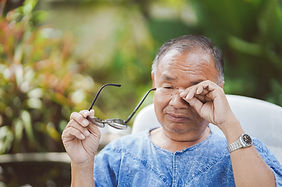
Irreversible Loss of Vision

Risk of Fall & Fractures

GET IN TOUCH

We're always there for you!

Do you have general questions or simply want to know more about the treatment? Feel free to connect!


Gallery

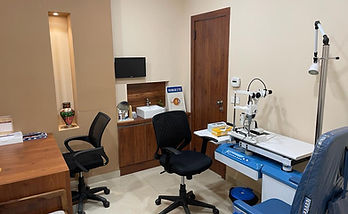
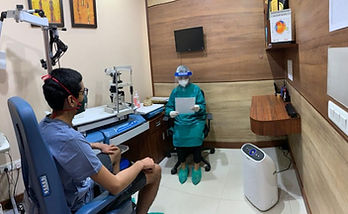
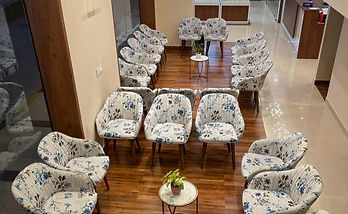
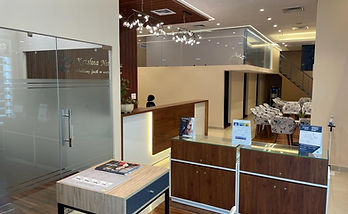
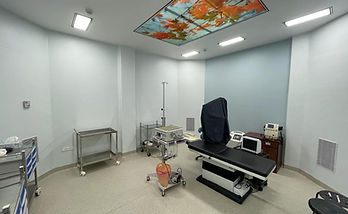
Sneak Peek of our Ultra-Modern Eye Hospital in Gurgaon

FAQ

Your Eye Care Questions Answered!

Discover cataract anatomy, common symptoms, and advanced treatments through our comprehensive resources. Our expert insights provide detailed explanations, practical tips, and the latest research, empowering you to confidently and effectively manage cataract health. Whether you seek preventive care advice or specific treatment information, we have you covered.


Cataracts can be caused by a variety of reasons, including age, heredity, UV radiation exposure, smoking, and certain medical diseases such as diabetes or high blood pressure. Additionally, some drugs, including steroids, can also raise the risk of cataract development.

While the chances of getting Cataracts are higher among the elderly, Congenital cataracts can occur in infants in rare situations. These are generally caused by the mother having German measles, chickenpox, or another infectious disease during her pregnancy, although they can also be hereditary.

Cataract surgery is usually considered safe and successful, with most patients experiencing better eyesight as a consequence of the treatment. However, like with any surgical procedure, there are some side effects to be aware of, such as dry eyes, slight pain, or temporary blurring of vision.
It’s important to note that serious complications are very rare, and most people have a smooth recovery and are able to resume their normal activities within a few days or weeks

Cataract surgery improves your vision in a big way. After the surgery, you’ll see clearer and brighter colors. You won’t need to rely on glasses as much as before. Activities like reading, driving, and other hobbies become more accessible and enjoyable. Cataract surgery really makes a positive difference in your everyday life.It’s important to note that serious complications are very rare, and most people have a smooth recovery and are able to resume their normal activities within a few days or weeks

© 2015-2024 Krishna Netralaya | All rights reserved |  Read our Privacy Policy.